
Misophonia: when mouth sounds become unbearable
Chewing, swallowing, sniffing: in the United Kingdom, 18% of the population is significantly bothered by them. Misophonia is not a whim: mechanisms, differences and treatment.

Key takeaways
- According to a study published in PLOS ONE in 2023, symptoms weigh significantly on 18% of the British population, yet only 13.6% of respondents knew the word[1].
- Despite its common name, it is not really a phobia: the reaction is closer to anger and disgust. One line of research points to a strengthened connection between the auditory cortex and the orofacial motor cortex[2].
- Cognitive behavioral therapy (CBT) is the best-studied approach: in the first randomized trial, 37% of patients improved markedly, compared with 0% on the waiting list[3].
- Assessment relies on a clinical interview and scales such as the Amsterdam Misophonia Scale (A-MISO-S).
- Complementary solutions exist: virtual reality for graded exposure, white noise generators, selective-filtering earplugs and behavioral strategies.
What is misophonia?
The word comes from Greek: "miso" (hatred) and "phono" (sound). But misophonia goes well beyond a passing irritation at an unpleasant noise. People often speak of a "phobia of mouth sounds" or a "phobia of chewing." The expression is evocative but not very accurate: the reaction is less about fear than about anger and disgust.
Definition and scientific recognition
Misophonia is a disproportionate emotional reaction to specific sounds, most often made by other people. The ear works normally: the problem lies in how the brain interprets and reacts to these stimuli. A neuroimaging study reports hyperactivity of the anterior insula, a region involved in emotional processing, in people with misophonia[4].
In terms of medical classification, misophonia is not yet officially listed in the DSM-5 or the ICD-11. It is considered an emerging syndrome, which sometimes complicates its management. A group of experts published a consensus definition in 2022[5], and its mechanisms are still under study.
Who is affected by misophonia?
About 18% of the British population would show misophonia symptoms causing significant distress, according to a study published in 2023 in the journal PLOS ONE, conducted on a representative sample of 772 people[1].
In this study, the frequency does not differ significantly between men and women[1]. What is more striking: only 13.6% of respondents knew the term misophonia[1]. Most people therefore suffer without being able to name what they are going through.
Trigger sounds: mouth sounds and beyond
Mouth sounds are the most frequently reported triggers. But the range of triggers is wider than is often thought.
One notable feature: these sounds are almost exclusively made by adults. Children and animals rarely provoke the same reactions in people with misophonia.
Organic sounds (main triggers):
- Chewing, munching, chewing gum sounds
- Swallowing, slurping saliva
- Sniffing, loud breathing
- Throat clearing, teeth clicking
Repetitive mechanical sounds:
- Tapping on a keyboard or pen
- Clicking, the ticking of a watch
- Cutlery noises, rustling paper
Associated visual stimuli:
- Seeing someone chew or move their jaw
- Watching a repetitive movement (leg bouncing, head nodding)
This visual aversion is often overlooked. It is explained by a strengthened connection between the visual cortex and the motor cortex, identified by neuroimaging.
What happens in the brain of a person with misophonia
Misophonia is not an emotional weakness. Functional MRI studies offer clues to why the reaction is so intense and so hard to control.
Auditory-motor hyperconnectivity and the mirror system
A study from Newcastle University, published in The Journal of Neuroscience, showed strengthened connectivity between the auditory cortex and the orofacial motor cortex, which controls movements of the face, mouth and throat[2]. In practical terms: when a person with misophonia hears someone chewing, the part of their brain that controls chewing activates, as if they were the one making the sound.
This phenomenon would involve the mirror neuron system, which allows us to process other people's actions by activating our own brain in a similar way. The reaction would then be experienced as an intrusion, which could explain the feeling of helplessness in the face of the trigger sound. The strengthened connection between the visual cortex and the motor cortex also explains why some triggers are visual.
The role of the insula
Another study reports increased activity of the anterior insula, a region that processes emotions and bodily sensations, in response to trigger sounds[4]. It is accompanied by a bodily response, such as a faster heart rate.
Result: faced with a harmless chewing sound, the misophonic brain triggers a threat response. Faster heartbeat, muscle tension, a surge of adrenaline. Not by choice. This work remains to be confirmed, but it helps explain why the reaction escapes voluntary control.
Symptoms and everyday consequences
A family meal. A meeting in an open-plan office. These ordinary situations can become exhausting, even unbearable, for a person with misophonia.
Emotional reactions:
- Intense, sudden anger
- Deep disgust
- Anxiety, a feeling of panic
- Shame at one's own reactions
Physical reactions:
- Faster heart rate
- Muscle tension, clenching
- Sweating, a feeling of heat
- Nausea in severe cases
Avoidance behaviors and social isolation:
- Avoiding shared meals
- Wearing earplugs all the time
- Avoiding open workspaces
- Gradually withdrawing from social life
The feeling of being trapped is often reported. On top of that comes self-blame: many reproach themselves for reactions they do not choose. This vicious circle feeds isolation.
People with misophonia also show increased susceptibility to anxiety and depression, a link documented in patients with sensory hypersensitivity. Naming the disorder, as the researchers of the British study point out, is often the first step toward feeling better.
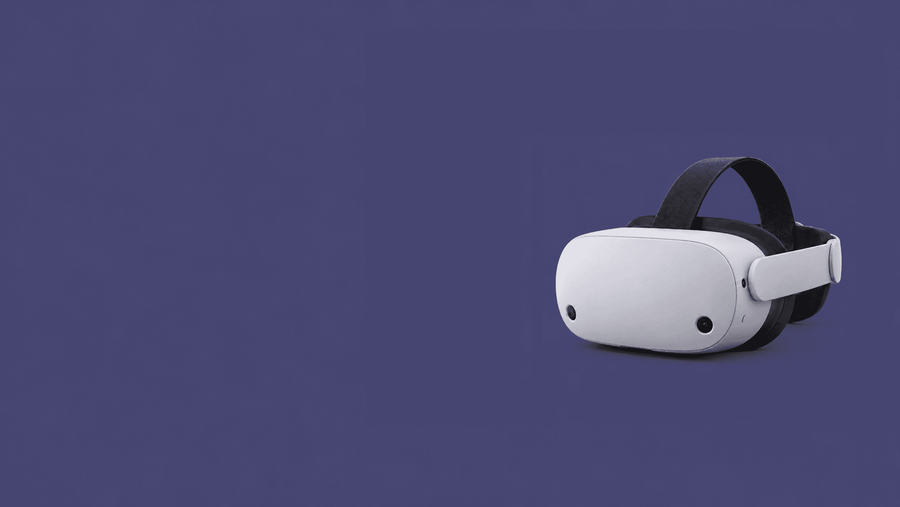
C2Care, a leader in immersive technologies for mental health
Create your free account to explore over 250 virtual reality exposure situations and subscribe directly online.
Misophonia, phonophobia, hyperacusis: what are the differences?
These three disorders are frequently confused. Yet their mechanisms and treatments differ.
Misophonia:
- Definition: intense emotional reaction to specific sounds (often mouth sounds)
- Mechanism: auditory-motor hyperconnectivity, "fight or flight" response
- Sounds involved: sounds made by people (chewing, breathing, tapping)
- Treatment: CBT, ACT, sound therapy
Phonophobia:
- Definition: fear of loud or sudden sounds
- Mechanism: conditioned fear response, often linked to anxiety or migraines
- Sounds involved: alarms, sirens, intense and unpredictable noises
- Treatment: exposure therapies, anxiolytics if necessary
Hyperacusis:
- Definition: generalized auditory sensitivity, all sounds seem too loud
- Mechanism: dysfunction of central or peripheral auditory processing
- Sounds involved: ordinary sounds perceived as painful or intolerable
- Treatment: sound therapy (TRT), gradual auditory desensitization
Diagnostic differentiation is decisive: care suited to misophonia will not be effective for hyperacusis, and vice versa.
How to diagnose and treat misophonia
No blood test, no imaging on its own. The diagnosis of misophonia relies on a thorough clinical evaluation by a mental health professional: a psychologist, psychotherapist or psychiatrist.
The most widely used tool is the Amsterdam Misophonia Scale (A-MISO-S), adapted from the Y-BOCS (Yale-Brown Obsessive Compulsive Scale). It measures the frequency, intensity and impact of misophonic reactions on daily functioning. This tool still requires further research to complete its validation.
Cognitive behavioral therapy (CBT)
CBT is the best-studied approach for misophonia. The principle unfolds in three steps: identifying the automatic thoughts activated by the trigger sound ("he's doing it on purpose", "it's unbearable"), restructuring these cognitions toward less emotionally charged interpretations, then changing the avoidance behaviors that reinforce the disorder.
Gradual exposure to trigger sounds, in a safe therapeutic setting, is a key component. In the first randomized trial, conducted in a group of 54 patients over 3 months, 37% of patients improved markedly, compared with 0% on the waiting list, and the effect was maintained at one year[3].
For professionals who wish to structure these graded exposures, the therapeutic virtual reality environments developed by C2Care allow the practitioner to work on avoided social situations in a controlled and reproducible setting, without depending on external constraints. C2Care is currently used by 700 trained practitioners and 350 facilities. Virtual reality can find its place there as a tool serving therapy, at the practitioner's discretion.
Other approaches, less studied
Acceptance and commitment therapy (ACT) does not seek to suppress reactions, but to change the relationship the person has with them. Accepting that the sound triggers an unpleasant emotion, without adopting avoidance behaviors: this approach is particularly useful when misophonia leads to marked social withdrawal.
Tinnitus retraining therapy (TRT), originally designed for tinnitus, has been adapted to misophonia. It combines counseling (understanding the disorder) and sound therapy: exposing the brain to neutral background noise to reduce the contrast with the trigger sound.
Mindfulness helps observe the emotional reaction without reacting to it automatically. Heart coherence, through rhythmic breathing exercises, calms the nervous system in a crisis situation.
Medications and complementary treatments
No medication specifically treats misophonia. When the disorder is accompanied by severe anxiety or depression, a psychiatrist may prescribe SSRIs or anxiolytics to relieve the associated symptoms and make behavioral therapy more accessible. Hypnosis and hypnotherapy can complement CBT by reducing sensitivity to sounds in a state of deep relaxation. An approach combining an ENT specialist, a psychotherapist and a psychiatrist, depending on the profile, may be useful.
Tools and strategies for daily life
Technological tools
White noise generators (apps or dedicated devices) emit a neutral background sound that reduces the contrast between silence and the trigger sound. It is the same principle as TRT: when the ambient sound environment is enriched, the trigger provokes a less intense reaction.
Selective-filtering earplugs attenuate certain frequencies while letting speech through, making it possible to stay in company without enduring the full range of trigger sounds. Active noise cancelling (ANC) headphones are effective against constant noises, less so against brief and unpredictable sounds such as lip smacking.
Behavioral strategies
Task concentration training (TCT) teaches how to deliberately redirect attention toward relevant elements of the environment, and to gradually disengage from aversive stimuli. Counterconditioning consists of pairing the trigger sound with pleasant stimuli over repeated sessions, in order to modify the negative association learned by the brain. Finally, mimicking the action that produces the trigger sound (chewing yourself, for example) helps some people regain a sense of control, a lead that is still little studied.
Key takeaways on misophonia
Misophonia is a real difficulty, troublesome for about 18% of the British population[1]. The reaction is involuntary and hard to control, and its mechanisms are still being studied[2][4]. CBT is the best-studied approach, with a marked improvement in 37% of patients in the first randomized trial[3]. Evaluation relies on an interview with a mental health professional, who may use scales such as the A-MISO-S. Therapy, tools and coping strategies can complement one another. Naming the disorder is already a way out of isolation.
C2Care, a leader in immersive technologies for mental health
Create your free account to explore over 250 virtual reality exposure situations and subscribe directly online.
FAQ on misophonia
Is misophonia considered a disability?
In France, misophonia is not officially recognized as a disability in 2026. Its impact on daily, social and professional life can nevertheless be significant. Depending on the severity of the disorder, applying for support may be possible; depending on your country, check with your health care system. An evaluation by a mental health professional remains the first step to document the functional impact.
Can you die from misophonia?
No, misophonia is not fatal. The physiological reaction it triggers (increased heart rate, muscle tension) is intense but not life-threatening. However, the anxiety and depression frequently associated with the disorder deserve professional follow-up. Consulting a psychologist or a psychiatrist makes it possible to address these comorbidities and avoid progressive isolation.
What is phonophobia?
Phonophobia is the fear of loud or sudden sounds, such as sirens, alarms or explosions. It differs from misophonia, which involves specific sounds, often mouth sounds, and triggers a disproportionate emotional reaction rather than fear. The neurological mechanisms and the care approaches differ: phonophobia falls more under anxiety disorders.
Does misophonia affect women more than men?
In the British study published in 2023, the frequency does not differ significantly between men and women[1]. Misophonia therefore seems to affect men and women comparably, but other studies would be useful to confirm this.
Which professionals should you consult for misophonia?
A psychologist or psychotherapist trained in CBT is the first recommended contact. A psychiatrist may step in if the disorder is accompanied by severe anxiety or depression requiring drug treatment. An ENT specialist can be useful to rule out hyperacusis or other hearing disorders. Depending on the situation, these professionals may work together.
Can misophonia get worse over time?
Without care, avoidance behaviors tend to reinforce the disorder: the more you flee trigger sounds, the more the brain perceives them as threatening. This vicious circle can gradually widen the range of triggers and deepen social isolation. Early behavioral therapy generally helps stabilize, or even reduce, the intensity of the reactions.
Does white noise really help with misophonia?
White noise reduces the contrast between silence and the trigger sound, which lessens the intensity of the reaction in some people. It is a day-to-day management tool, not a treatment. It is particularly useful alongside behavioral therapy, to make difficult sound environments (open-plan offices, meals) more tolerable.
Is misophonia linked to other disorders?
Links have been observed with anxiety, depression and certain obsessive-compulsive traits, which explains why the A-MISO-S is adapted from the Y-BOCS. Heightened sensitivity to sensory stimuli is also common. These comorbidities do not define misophonia, but they steer care toward a multidisciplinary approach that integrates several dimensions of the disorder.
References
- scientific-study
Misophonia in the UK: Prevalence and norms from the S-Five in a UK representative sample
PLOS ONE
2023View - scientific-study
The Motor Basis for Misophonia
The Journal of Neuroscience
2021View - scientific-study
Cognitive behavioral therapy for misophonia: A randomized clinical trial
Depression and Anxiety
2020View - scientific-study
The Brain Basis for Misophonia
Current Biology
2017View - scientific-study
Consensus Definition of Misophonia: A Delphi Study
Frontiers in Neuroscience
2022View
Author
C2Care
Related articles
Misophonia: when certain sounds become unbearable
Chewing noises, pen clicking, a neighbor's breathing: for some people, these sounds trigger far more than annoyance. Definition of misophonia, the causes being studied and how it is managed.
Mysophobia: understanding and overcoming the fear of germs
Repeated handwashing, avoiding public transport, isolation: mysophobia disrupts daily life. Definition, symptoms, how it differs from OCD, causes and treatment of the fear of germs.

Sitiophobia: understanding the fear of eating and how to treat it
Sitiophobia and phagophobia refer to an intense fear of eating or swallowing. Causes, symptoms, how it differs from anorexia, and care for this rare phobia, which should not be left to take hold.

Body dysmorphic disorder: understanding this body image disorder
Body dysmorphic disorder is a psychiatric condition in which preoccupation with an imagined or minor physical flaw becomes obsessive. Clinical definition, symptoms, causes and effective treatments explained.

Osmophobia: when smells trigger debilitating migraines
Osmophobia affects between 25 and 80% of people with migraine and increases the intensity of attacks. Learn about the neurological mechanisms involved, the symptoms to recognise and validated treatments to regain control.
Nomophobia: Understanding and Overcoming the Fear of Being Separated From Your Phone
Nomophobia is the pathological fear of being separated from your smartphone. Definition, symptoms, the NMP-Q questionnaire, causes and therapeutic solutions: everything you need to know to understand it and act.