
Nyctophobia: understanding and overcoming the fear of the dark
Nyctophobia is a recognized anxiety disorder, distinct from a simple, passing fear. Clinical definition, symptoms, causes, impact on sleep and validated treatments: everything you need to know to understand and manage this phobia.
Key facts
- Nyctophobia affects 5 to 15% of the general population: it is a common anxiety disorder, not a marginal fear.
- It differs from a passing fear in its persistent, disproportionate nature and its impact on everyday functioning (sleep, independence, social life).
- Symptoms fall into three categories: physical (palpitations, trembling), emotional (panic, anticipatory anxiety) and behavioral (systematic avoidance).
- Peak onset occurs between ages 5 and 9; persistence beyond age 9 warrants a professional assessment.
- CBT is recommended as a first-line treatment, with an improvement rate of 60 to 70%; gradual exposure, including in virtual reality, is at the heart of the protocol.
- Virtual reality environments, such as those C2Care offers practitioners, allow this exposure to take place in a controlled, adjustable setting.
What exactly is nyctophobia?
Nyctophobia refers to an intense and persistent fear of darkness. Understanding its clinical definition and etymology helps distinguish it from an ordinary fear from the outset.
Clinical definition and diagnostic criteria
According to the DSM-5 diagnostic criteria[1], nyctophobia is classified among specific phobias: it is characterized by a persistent, excessive and disproportionate fear of darkness, almost invariably triggering an anxiety response upon exposure. Avoidance is systematic, and the disorder causes measurable functional impairment: disrupted sleep, reduced independence and an affected social life.
Fear of the dark is normal between ages 3 and 8 and is linked to children's cognitive development. It becomes a phobic disorder when it persists beyond this period, intensifies or interferes with everyday life. Diagnosis is based on these formal criteria, not on the subjective intensity of the fear experienced.
Etymology and synonyms
The term comes from the Greek nyktos (night) and phobos (fear). Several clinical synonyms coexist: achluophobia, scotophobia, lygophobia and noctiphobia. These terms refer to the same disorder with minor etymological differences, but no diagnostic distinction separates them. Nyctalophobia, which is sometimes confused with it, refers to difficulty seeing in low light, not to a fear. In clinical practice, nyctophobia and scotophobia are the most commonly used terms.
Who is affected by nyctophobia?
Nyctophobia is not rare. According to data on the prevalence of specific phobias[2], 5 to 15% of the general population experiences a specific phobia during their lifetime. Across all phobias, the sex ratio is more than 2 women for every 1 man.
Peak onset occurs between ages 5 and 9, a period when the imagination is particularly active and the distinction between reality and fantasy remains blurred. Fear of the dark at this age is often developmental. It becomes concerning when it persists, worsens or prevents the child from functioning normally.
In adults, nyctophobia is often an untreated childhood phobia that has become chronic. It can also develop following a traumatic experience in adulthood. Contrary to popular belief, phobias do not disappear spontaneously over the years: situational phobias, which include nyctophobia, may even increase with age. This disorder affects all age groups, including older people.
How does nyctophobia manifest?
Three categories of symptoms coexist: physical, emotional and behavioral. Their intensity varies depending on the severity of the disorder and the person's profile.
Physical symptoms
In darkness, the autonomic nervous system triggers a fight-or-flight response, resulting in immediate physical manifestations:
- Palpitations and increased heart rate
- Excessive sweating
- Trembling or shivering
- Breathing difficulties, a feeling of tightness
- Chest pain or tightness
- Nausea, gastrointestinal disturbances
These symptoms are not “all in the mind”: they reflect genuine physiological activation, identical to that observed in other anxiety disorders. They appear rapidly, sometimes almost immediately as the light dims.
Emotional and behavioral symptoms
Anticipatory anxiety is often the first sign: the person experiences anxiety even before being exposed to darkness, simply by imagining the situation. Panic then occurs during actual exposure, accompanied by a sense of imminent danger that is difficult to reason away.
Behaviorally, avoidance gradually develops: refusing to sleep without a light, avoiding dark places (basements, unlit corridors, cinemas), and rituals of checking light sources before bed. These strategies provide short-term relief but reinforce the phobia over time by preventing any habituation. Independence decreases and quality of life deteriorates.
What causes nyctophobia?
No single cause explains nyctophobia. The current model is multifactorial: several factors interact, and their combination varies from person to person.
Developmental factors play a central role. Between ages 3 and 5, fear of the dark is a normal stage: the imagination is highly active, and children still struggle to distinguish reality from fantasy. This fear becomes problematic if it persists beyond ages 8–9 or intensifies instead of fading. A professional assessment is then necessary.
Traumatic experiences are another common trigger. A negative experience in darkness (an accident, an assault, a panic episode) can condition a lasting fear response, even if the event occurred long ago.
Social learning also plays a role. A child who regularly observes a parent expressing an intense fear of darkness may internalize this reaction as normal or as a sign of danger, without ever having had a direct traumatic experience.
Finally, certain temperamental predispositions increase vulnerability: high trait anxiety, heightened sensitivity to stimuli, or a family history of anxiety disorders. These genetic and biological factors do not determine the onset of a phobia on their own, but they create a predisposition.

C2Care, a leader in immersive technologies for mental health
Create your free account to explore more than 250 virtual reality exposure scenarios and subscribe directly online.
How does it affect sleep and everyday life?
Nyctophobia is not limited to nighttime discomfort. Its functional consequences extend throughout everyday life.
Sleep disturbances are the most immediate effects: difficulty falling asleep, frequent nighttime awakenings and unrefreshing sleep. The resulting daytime fatigue affects concentration, mood and academic or work performance. Chronic irritability can strain close relationships.
In children, dependence on parents is prolonged: needing an adult present to fall asleep, refusing to stay alone in a dark room, and separation anxiety. These behaviors, understandable in the short term, can hinder the development of independence and affect socialization.
In adults, the limitations are broader. Some avoid trips involving nights away from home, nighttime outings, or certain work environments. Social isolation gradually develops, sometimes accompanied by shame that delays seeking help. Untreated nyctophobia tends to become entrenched, rather than disappear.
How can nyctophobia be treated effectively?
Several therapeutic approaches are validated. Psychotherapies, particularly CBT, are the first-line treatment. Medication has a very limited role in isolated specific phobias, such as entomophobia.
Cognitive behavioural therapies (CBT)
CBT is recommended as a first-line treatment for anxiety disorders by HAS, NICE and WHO. Its effectiveness in specific phobias is documented by more than 1,000 randomised controlled trials, with an improvement rate of 60 to 70%[3].
The mechanism relies on two complementary approaches. On one hand, cognitive restructuring: identifying and questioning automatic catastrophic thoughts (“something will happen to me in the dark”), testing them against reality and developing more balanced alternatives. On the other, behavioural work: gradually reducing avoidance and safety rituals.
CBT for a specific phobia generally lasts 12 to 20 sessions over 3 to 6 months. Exercises practised between sessions are essential: this is where change is consolidated.
For mental health professionals wishing to incorporate gradual exposure into their practice, C2Care offers virtual reality environments controlled in real time by the practitioner. More than 250 exposure situations are available, adaptable to the patient's pace and reactions, within a reproducible and controlled setting.
Gradual exposure and desensitisation
Graded exposure is at the heart of phobia treatment. The principle is to confront the person with darkness gradually, starting with situations that cause little anxiety (a dimly lit room, subdued lighting) and progressing towards complete darkness. Exposure duration increases at each stage.
The aim is habituation: through repeated exposures without negative consequences, the brain revises its assessment of the threat and anxiety decreases. This exposure can be carried out in imagination, in real-life situations (in vivo), or through virtual reality exposure therapy environments that provide an adjustable and reproducible setting, particularly useful for situations that are difficult to recreate in a consulting room.
Complementary approaches and limitations of medication
Relaxation, controlled breathing and mindfulness techniques can complement CBT. They help regulate physiological arousal during exposure, but are not sufficient on their own to treat an established phobia.
Regarding medication, the situation is clear: there is no validated drug treatment for isolated specific phobias. Benzodiazepines may be prescribed occasionally in acute situations, without any long-term beneficial effect. Antidepressants (SRIs) are indicated only in cases of confirmed comorbid depression. Psychotherapy remains the standard approach.
FAQ about nyctophobia
What is the difference between fear of the dark and nyctophobia?
Fear of the dark is a normal, temporary and manageable reaction. Nyctophobia is an intense, persistent and disproportionate fear, with systematic avoidance and impairment in daily functioning: sleep, independence and social life. Diagnosis is based on formal clinical criteria defined by the DSM-5, which distinguish normal developmental fear from a phobic disorder requiring care.
At what age does nyctophobia usually appear?
The peak age of onset is between 5 and 9 years, a period when imagination is very active and the distinction between reality and imagination is still blurred. Fear of the dark before the age of 8 is often developmental and normal. Persistence beyond the age of 9, or worsening, warrants a professional assessment to distinguish a developmental stage from an established phobic disorder.
Can nyctophobia go away on its own over time?
In children, fear of the dark often decreases spontaneously with cognitive maturation, around the ages of 8 to 10. In adults, chronic nyctophobia rarely persists without intervention. Untreated specific phobias tend to persist or even worsen. Therapeutic care, particularly CBT and gradual exposure, significantly improves the prognosis.
Which professionals should be consulted for nyctophobia?
A psychologist or psychiatrist trained in CBT is the professional of choice. For children, a child psychiatrist or a psychologist specialising in child psychology is preferable. The primary care doctor can provide a referral to a professional trained in exposure therapies. Some facilities offer protocols that include therapeutic virtual reality for controlled gradual exposure.
Does nyctophobia affect children or adults more?
Nyctophobia most often begins in childhood, between the ages of 5 and 9. In adults, it often corresponds to an untreated childhood phobia that has become chronic, or a phobia secondary to trauma. Both populations are affected, with different manifestations and challenges depending on age.
What are the clinical synonyms for nyctophobia?
Several terms refer to the same disorder: achluophobia, scotophobia, lygophobia and noctiphobia. These names share the same Greek etymology relating to night and fear, with minor nuances. There is no diagnostic distinction between them in clinical practice. Nyctalophobia, with which they are sometimes confused, refers to a visual difficulty in low light, not a phobia.
How can a child who is afraid of the dark be helped?
Validating the emotion without dramatising it is a useful first response. A night light with adjustable brightness can provide reassurance without reinforcing avoidance over the long term. Avoid consistently staying until the child falls asleep, as this maintains dependency. If the fear is intense, paralysing or persists beyond the age of 9, consultation with a psychologist specialising in child psychology is recommended.
Is medication effective for nyctophobia?
No, there is no validated drug treatment for isolated specific phobias. Benzodiazepines may be prescribed occasionally in acute situations, without any long-term effect on the phobia itself. Antidepressants (SRIs) are reserved for cases with confirmed comorbid depression. Psychotherapy, particularly CBT with gradual exposure, remains the standard approach.
References
- article
DSM-5 diagnostic criteria for phobias (social phobia)
Vidal
View - article
Some figures on the prevalence of specific phobias
Anxiete.fr
View - article
CBT: the standard approach to treating anxiety
Hospitalidée
2026View
Author
C2Care
Related articles

Erythrophobia: understanding the fear of blushing in public
An anxiety disorder distinct from ordinary shyness, erythrophobia is characterised by an intense fear of blushing in public. Causes, physiological mechanisms, symptoms and validated treatments: everything you need to know.
What is a phobia?
Phobos is the incarnation of fear, he followed his father on the battlefields. The panicky fear that he triggered at the mere sight of him reflects what a person feels when confronted with the object of their fear. There are many phobias and some are more well known than others, including agoraphobia and claustrophobia. On the other hand, aviophobia is less so as it affects many of those who would also dream of discovering fine sandy beaches.
Fear of insects: a widespread phobia
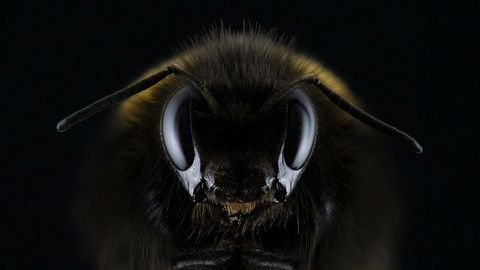
Extreme fear of insects is called entomophobia and is one of the most common forms of phobia. It causes panic and acute anxiety in victims, but there are effective ways to get rid of it, such as virtual reality, medications, etc. Psychologists offer virtual reality therapies to help their clients overcome this fear by engaging in risky situations in a safe, virtual setting. These specialists use control settings to adjust the environment created by the computer. Complex virtual environments involve replicating aspects of the real world, through 360-degree panorama, 3D graphics and sounds. Children and adults can develop entomophobia, especially when they have previously had hostile experiences with a particular insect. With approximately 6% of the population suffering from entomophobia, C2care provides clients with psychological and medical treatment for various fears, eating disorders, addiction-related stress, and implements virtual reality exposure therapy into their program. Keep reading to understand how virtual reality can help eradicate the fear of insects.

Exposure therapy: how it works, effectiveness and protocols for anxiety disorders
Avoiding what frightens you provides short-term relief but worsens anxiety over time. Exposure therapy reverses this logic: gradual confrontation, habituation, documented results ranging from 50 to 80% depending on the disorder.
Fear of abandonment
The fear of abandonment is a major anxiety linked to the idea that we do not deserve the love of others and that we will quickly be rejected. This anxiety has a significant impact on your life. It causes anxiety and psychological suffering. You sometimes have reactions of isolation, irritability, jealousy, aggressiveness that you do not always understand towards the people you love. A fear of abandonment eats away at the little joys you can have in your daily life.

Osmophobia: when smells trigger debilitating migraines
Osmophobia affects between 25 and 80% of people with migraine and increases the intensity of attacks. Learn about the neurological mechanisms involved, the symptoms to recognise and validated treatments to regain control.