
Rupophobia: definition, symptoms and treatment of the fear of dirt
Rupophobia: an intense fear of dirt that goes far beyond disgust. Word origins, differences from mysophobia, the boundary with contamination OCD and treatment through gradual exposure.

Key facts
- Rupophobia is an intense and persistent fear of dirt, dust or grime[1].
- It is often considered synonymous with mysophobia, the fear of being contaminated by germs or dirt[2].
- Like any specific phobia, it is characterised by disproportionate fear that lasts at least 6 months and leads to avoidance[3].
- When washing rituals develop to relieve anxiety, contamination OCD should be considered[4].
- Gradual exposure, guided by a professional, is the treatment of choice[3].
What is rupophobia?
A fear of dirt that goes beyond simple disgust. Rupophobia refers to an intense, irrational and persistent fear of dirt, dust or grime. It is also spelt rypophobia, and someone with this fear may be described as rupophobic[1]. The word comes from the Greek rhupos, meaning dirt, and phobos, meaning fear.
The term is far from new. A philosophy and psychology journal published in 1884 already referred to this “psychopathic state”, which Verga had called rupophobia as early as 1881, describing it as “the fear of being contaminated”[1].
Today, rupophobia is classified among specific phobias, alongside fears of spiders or heights. What distinguishes it from a simple aversion to dirt is its intensity. You can find dirt unpleasant without having a phobia; rupophobia is a fear that is disproportionate to the actual danger, persists over time and eventually shapes everyday life[3].
Rupophobia, mysophobia, germophobia: what is the difference?
These three words often overlap, and with good reason: the Office québécois de la langue française considers them synonyms referring to the phobia of being contaminated by germs or dirt[2]. However, some specialists distinguish between them, which can help if you are looking for a precise term for what you feel.
| Term | What causes fear | Example |
|---|---|---|
| Rupophobia | Visible dirt: dust, stains, grime | A sticky table, a dusty floor |
| Mysophobia | Contamination by dirt or germs | Touching a door handle |
| Germophobia | Invisible germs | Sharing an object with someone who is ill |
A note on the French spelling: “misophobie” is incorrect, because the prefix miso- means “to hate”[2].
How does the fear of dirt manifest itself?
Rupophobia first becomes apparent in everyday behaviour. If you experience it, or someone close to you does, you may recognise these ways of adapting daily life to avoid ever being caught off guard:
- cleaning in advance: washing, disinfecting and buying more cleaning products even before any contact;
- avoiding street furniture, public transport or public toilets;
- refusing contact: shaking hands, touching loved ones’ belongings or sitting down in friends’ homes;
- feeling intense anxiety when coming into contact with dirt, or simply thinking about such contact.
Another emotion accompanies fear: disgust. Research on contamination fears shows that disgust is not learned in quite the same way as fear, and that conventional exposure, designed to reduce fear, is not always enough to lessen it[5].
Good to know: fear is not the only emotion people experience when faced with dirt. Identifying disgust helps explain why some situations remain distressing even when anxiety decreases, and why exposure progresses in small steps.
Rupophobia or contamination OCD: how can you tell them apart?
This is the most common source of confusion. In a specific phobia, fear is triggered by the dirt itself and mainly leads to avoidance[3]. In contamination-related obsessive-compulsive disorder (OCD), intrusive obsessive thoughts arise, such as the fear that a door handle might transmit a disease. To relieve anxiety, the person performs washing or cleaning rituals, sometimes excessively[4].
| Criterion | Fear of dirt | Contamination OCD |
|---|---|---|
| Trigger | Contact with or the sight of dirt | Obsessive thoughts, even without dirt |
| What the person does | Avoids the situation | Performs rituals to neutralise anxiety |
| Treatment of choice | Gradual exposure | Exposure and response prevention |
The two can coexist, and only a professional can make a diagnosis. Seek professional help when the fear has lasted more than 6 months, causes you to avoid places or people, or causes significant distress: these are criteria for a specific phobia[3]. For context, specific phobias affect around 8% of women and 3% of men each year[3]. OCD affects 1 to 3% of the population[4]. Its average age of onset is around 19–20. When rituals develop, OCD treatment follows a specific protocol.

C2Care, a leader in immersive technologies for mental health
Create your free account to explore more than 250 virtual reality exposure scenarios and subscribe directly online.
What causes rupophobia?
You may be wondering where this fear comes from. To date, no established cause specific to rupophobia has been identified: possible explanations are those proposed for specific phobias in general and should be treated as hypotheses. A distressing experience involving dirt or illness may create a lasting association between certain situations and danger. An upbringing marked by considerable anxiety about hygiene may convey the idea that even the slightest soiling is a threat. Some people are also more sensitive to disgust, an emotion learned through association that plays a central role in contamination fears[5]. These possible explanations are not mutually exclusive and may combine.
How is rupophobia treated?
The fear of dirt can be addressed through exposure, undertaken gradually with a professional, with ritual prevention added when OCD is present.
Gradual exposure and response prevention
Exposure therapy, a form of cognitive behavioural therapy, is the preferred treatment for specific phobias and is often the only treatment needed. Medication has limited effectiveness for these phobias[3]. The principle is to face the feared situation step by step until anxiety decreases. With your therapist, the process might begin with looking at a bin, then approaching it, then touching the lid without washing immediately afterwards.
When OCD is present, the clinician offers exposure and response prevention: facing the situation without performing the washing ritual. An antidepressant may be added, particularly in severe cases[4].
Virtual reality for exposure in the consulting room
Dirty situations are difficult to recreate during consultations and even harder to adjust in intensity. In a randomised trial involving 36 adults with contamination OCD, virtual reality exposure integrated into CBT substantially reduced obsessions and compulsions over 12 weekly sessions[6]. The sample remains small, and this is a single trial.
With C2Care, clinicians have access to immersive, realistic and controlled environments: hospital toilets, a bin storage room that becomes progressively dirtier, and waste handling. They control the scene in real time to adapt exposure to each patient’s needs and maintain control over how it unfolds. To learn more, discover how to treat the fear of dirt using virtual reality.
What to remember about rupophobia
Rupophobia is a specific phobia of dirt, closely related to mysophobia. It differs from contamination-related OCD in that there are no rituals intended to neutralize anxiety, although the two conditions can coexist. In both cases, gradual exposure, guided by a professional, remains the treatment of choice. If you recognize yourself in this description, fear of dirt does not have to be permanent: it can be addressed.
Frequently asked questions about rupophobia
What is the fear of dirt called?
An intense fear of dirt is called rupophobia, or rypophobia. When the fear focuses more on contamination by germs, it is called mysophobia or germophobia. The Office québécois de la langue française considers these terms synonymous, although some specialists may distinguish between them[2].
What is the difference between rupophobia and mysophobia?
The two terms are generally used interchangeably. However, some specialists reserve rupophobia for the fear of visible dirt, such as dust or stains, and mysophobia for the fear of being contaminated by dirt or germs, which are often invisible[2].
Is rupophobia a form of OCD?
No, rupophobia is a specific phobia: dirt triggers fear, which leads to avoidance[3]. Contamination-related OCD is characterized by obsessive thoughts and washing rituals intended to ease anxiety[4]. The two conditions can coexist, and only a professional can make a diagnosis.
Can you overcome rupophobia?
Rupophobia can be addressed. Exposure therapy, which involves gradually confronting feared situations, helps most people who attend consistently[3]. It is carried out with a psychologist or psychiatrist, at an appropriate pace, without seeking to eliminate all caution regarding hygiene.
References
- website
Rupophobia
Wiktionnaire
2026View - website
Mysophobia (terminology entry)
Office québécois de la langue française, Grand dictionnaire terminologique
2012View - article
Specific phobias
Manuel MSD, version grand public
2026View - article
Obsessive-compulsive disorder (OCD)
Manuel MSD, version grand public
2026View - scientific-study
Effective behavioural strategies for reducing disgust in contamination-related OCD: A review
Clinical Psychology Review
2015View - scientific-study
Virtual reality exposure and response prevention in the treatment of obsessive-compulsive disorder in patients with contamination subtype in comparison with in vivo exposure therapy: a randomized clinical controlled trial
BMC Psychiatry
2022View
Author
C2Care
Related articles

Zoophobia: understanding and overcoming the fear of animals
Zoophobia is an intense and persistent fear of animals, far more than simple apprehension. Common phobias, symptoms, causes, children and treatments: the essentials.

Erythrophobia: understanding the fear of blushing in public
An anxiety disorder distinct from ordinary shyness, erythrophobia is characterised by an intense fear of blushing in public. Causes, physiological mechanisms, symptoms and validated treatments: everything you need to know.

Agoraphobia: symptoms, causes and effective treatments
Agoraphobia is an anxiety disorder that progressively restricts daily life, going far beyond a simple fear of public spaces. Learn about its symptoms, causes and established treatments for returning to a normal life.

What is a phobia?
Phobos is the incarnation of fear, he followed his father on the battlefields. The panicky fear that he triggered at the mere sight of him reflects what a person feels when confronted with the object of their fear. There are many phobias and some are more well known than others, including agoraphobia and claustrophobia. On the other hand, aviophobia is less so as it affects many of those who would also dream of discovering fine sandy beaches.

Fear of insects: a widespread phobia
Extreme fear of insects is called entomophobia and is one of the most common forms of phobia. It causes panic and acute anxiety in victims, but there are effective ways to get rid of it, such as virtual reality, medications, etc. Psychologists offer virtual reality therapies to help their clients overcome this fear by engaging in risky situations in a safe, virtual setting. These specialists use control settings to adjust the environment created by the computer. Complex virtual environments involve replicating aspects of the real world, through 360-degree panorama, 3D graphics and sounds. Children and adults can develop entomophobia, especially when they have previously had hostile experiences with a particular insect. With approximately 6% of the population suffering from entomophobia, C2care provides clients with psychological and medical treatment for various fears, eating disorders, addiction-related stress, and implements virtual reality exposure therapy into their program. Keep reading to understand how virtual reality can help eradicate the fear of insects.
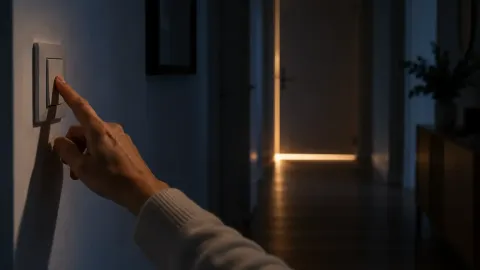
Nyctophobia: understanding and overcoming the fear of the dark
Nyctophobia is a recognized anxiety disorder, distinct from a simple, passing fear. Clinical definition, symptoms, causes, impact on sleep and validated treatments: everything you need to know to understand and manage this phobia.