
Zoophobia: understanding and overcoming the fear of animals
Zoophobia is an intense and persistent fear of animals, far more than simple apprehension. Common phobias, symptoms, causes, children and treatments: the essentials.

Key facts
- Zoophobia affects 5 to 15% of the general population over their lifetime, making it one of the most common phobias.
- The ratio is 2 women to 1 man, across all animal phobias.
- Peak onset occurs between 5 and 9 years of age, particularly for animal phobias.
- The distinction between adaptive fear and a pathological disorder rests on specific criteria: duration exceeding 6 months, significant distress and marked avoidance.
- CBT with graduated exposure is the treatment of choice, with a success rate above 80%.
- Some mental health professionals incorporate controlled immersive virtual reality environments to support patients gradually through exposure to feared situations.
What is zoophobia?
Zoophobia is a specific phobia as defined by the DSM-5: an intense, persistent and disproportionate fear focused on an animal or a group of animals. The term comes from the Greek zôon (animal) and phobos (fear). For it to be considered zoophobia rather than simple apprehension, three clinical criteria must be met: the fear has lasted for at least 6 months, it causes clinically significant distress, and it leads to marked avoidance of situations involving the feared animal.
The boundary with normal fear is clear. Feeling uneasy around an unfamiliar dog in the street is an adaptive reaction. Refusing to leave home for fear of encountering a dog on a leash, however, falls within the scope of an anxiety disorder. The lifetime prevalence of 5 to 15%[1] confirms that this phobia is far from uncommon.
Mental health professionals now have access to controlled immersive environments to support their patients gradually through exposure to feared situations, considerably expanding the available treatment options.
The most common animal phobias
Zoophobia actually encompasses a range of specific phobias, each focused on a type of animal. Their prevalence varies across cultures and environments, but some consistently recur in the clinical literature.
- Arachnophobia: fear of spiders, one of the most widespread animal phobias in Europe.
- Cynophobia: fear of dogs, particularly common in children.
- Ailurophobia: fear of cats, often associated with a panic reaction upon contact with or simply seeing the animal.
- Ophidiophobia: fear of snakes, even in the absence of real danger (a snake in a display case, an image).
- Ornithophobia: fear of birds, sometimes triggered by flight or wing flapping.
- Entomophobia: fear of insects in the broad sense, often confused with normal aversion.
- Musophobia: fear of mice and rats, with a strong component of disgust.
Of note: blood phobia has a male-to-female ratio of 1 to 1, unlike animal phobias, which affect women twice as often. This difference points to distinct neurobiological mechanisms depending on the type of phobia.
How can zoophobia be recognised?
The manifestations of zoophobia combine physical, cognitive and behavioural symptoms triggered by the feared animal or simply by anticipation.
Physical and psychological symptoms
When faced with the feared animal, or even when it is merely mentioned, the body reacts immediately. According to research on CBT treatment for phobias, the most common bodily manifestations include palpitations, trembling, dizziness and breathing discomfort, alongside sweating and a feeling of being frozen. The intensity varies with the animal's proximity: a photograph may be enough to trigger moderate anxiety, while its physical presence sometimes causes a full panic reaction. Psychologically, the person with the phobia experiences a visceral fear of animals that they often know is irrational, yet cannot control.
Avoidance behaviours and daily impact
Avoidance is the most revealing sign of an established zoophobia. The person gradually reorganises their daily life so as never to encounter the feared animal: they decline certain invitations to friends who have pets, avoid parks, give up travel or limit their career choices. In children, parents often observe a categorical refusal to take part in certain outdoor activities. This social and family impact is precisely what distinguishes a phobia from a simple preference: in the most pronounced cases, the animal dictates life decisions.
Why does zoophobia develop?
Several factors, rarely acting in isolation, contribute to the development of zoophobia. A direct traumatic experience is the best-known pathway: a dog bite in childhood, an insect attack, a violent encounter with an animal. But fear can also develop through observation, by seeing someone close react with terror to an animal, or through family transmission, when parental beliefs about the danger of certain animals are internalised very early.
Genetic predispositions also play a role. Greater sensitivity to stress or increased reactivity of the amygdala, a brain structure involved in processing fear, can promote the establishment of a phobic response. Catastrophising, meaning the tendency to systematically overestimate danger, amplifies and sustains these beliefs.
Peak onset between 5 and 9 years of age[1] is explained by children's cognitive plasticity at this age: fear–danger associations form quickly and become deeply ingrained. In other people, the phobia develops without any specific identifiable event.
In the modern therapeutic approach, understanding current maintaining mechanisms takes priority over identifying a precise origin. Avoidance and anxious anticipation are the two main drivers that sustain the phobia in everyday life: they are the main focus of CBT work.

C2Care, a leader in immersive technologies for mental health
Create your free account to explore more than 250 virtual reality exposure scenarios and subscribe directly online.
Zoophobia in children: specific features and parental support
In children, phobias are part of normal development. Fear of animals is common before the age of 7 and does not automatically constitute a disorder. Phobias generally begin between 5 and 9 years of age[2], and their pathological nature is assessed against three criteria: high intensity, prolonged persistence and impact on the child's activities.
Parents play a decisive role. Overprotecting a child by systematically avoiding any encounter with the feared animal reinforces the phobia rather than resolving it. Parental support involves validating the fear without dramatising it, and encouraging gradual, supportive exposure. Abruptly forcing the child is counterproductive; ignoring them is equally so.
CBT adapted for children uses play-based materials and very gradual steps. It often involves parents in the therapeutic process, improving engagement and the generalisation of gains to everyday life.
Treating zoophobia: cognitive behavioural therapies
CBT is the treatment of choice for specific phobias, with a high effectiveness rate based on graded exposure and cognitive restructuring.
Assessment and development of an exposure hierarchy
Therapeutic work begins with precisely identifying feared situations and the level of anxiety associated with each. Which situations trigger mild anxiety? Which cause immediate panic? This mapping makes it possible to develop a personalized hierarchy, from the least anxiety-provoking scenario to the most difficult to face.
Concrete goals are defined with the patient: being able to stay in a room with a cat, walk through a park without taking a detour, or look at a photograph of a snake without distress. These benchmarks help measure progress and adjust the pace. Avoidance and fear-avoidance beliefs are identified at this stage, as they underpin the maintenance of the phobia.
Gradual exposure: principles and process
Graded exposure does not involve abruptly confronting patients with their fear. It proceeds through steps that are selected, prepared and repeated. Progression may begin in imagination, use intermediate materials such as photographs or videos, and eventually lead to the real-life situation.
The aim is not to make anxiety disappear, but to learn to stay with it without escaping. Each successful exposure gradually reshapes the emotional response to the feared animal. The pace is adapted to the patient: some progress quickly, while others need to consolidate each step.
Some practitioners use therapeutic virtual reality environments that can recreate more than 250 controlled exposure situations, featuring a variety of animals and adjustable contexts, controlled in real time through the therapist's interface. This approach offers a gradual, repeatable alternative before moving on to real-life exposure, particularly useful when such exposure is difficult to organize in the consulting room.
Cognitive restructuring and anxiety management
Alongside exposure, cognitive work addresses the catastrophic thoughts that fuel the phobia. Patients learn to examine their anxious predictions: will the animal really attack? Is the danger as imminent as it feels? This work does not aim to replace a negative thought with an artificially reassuring phrase, but to test beliefs against actual experience.
Emotion regulation techniques complement this cognitive work. They help patients tolerate anxiety without responding by escaping and maintain gains between sessions. Maintaining progress over the long term relies on repeating and generalizing new responses in everyday life.
Course and prognosis of zoophobia
Without treatment, zoophobia tends to remain stable rather than disappear spontaneously in adults. Animal phobias are an exception to this rule: they decrease with age, unlike situational phobias, which increase. Some cases remain compatible with a normal life if the feared animal is easy to avoid, such as a snake in a country without wild snakes.
When the phobia has a significant impact, treatment is necessary. With CBT, remission rates exceed 80% according to the clinical literature. The prognosis is better the earlier treatment begins and the more actively the patient engages in exposure exercises. Knowing that this phobia is treatable is often the first step toward seeking help.
Key points about zoophobia
Zoophobia is a common specific phobia, affecting between 5 and 15% of the population, with a clear female predominance (2 to 1). It most often begins between the ages of 5 and 9 and is characterized by an irrational fear of animals lasting at least 6 months, associated with significant distress and marked avoidance. CBT with graded exposure is the treatment of choice, with a favorable prognosis in the vast majority of cases. Appropriate support, whether in the consulting room or with the help of controlled immersive environments, enables most patients to return to a life free from the constraints imposed by their fear.
C2Care, a leader in immersive technologies for mental health
Create your free account to explore more than 250 virtual reality exposure scenarios and subscribe directly online.
FAQ about zoophobia
What are the 10 most common animal phobias?
The most frequently documented animal phobias are arachnophobia (spiders), cynophobia (dogs), ailurophobia (cats), ophidiophobia (snakes), ornithophobia (birds), entomophobia (insects), musophobia (mice and rats), apiphobia (bees and wasps), ichthyophobia (fish) and ranidaphobia (frogs). Their prevalence varies across cultures and geographical environments.
How can normal fear be distinguished from pathological zoophobia?
Normal fear is proportionate to the actual danger and does not prevent action. Zoophobia is disproportionate, has persisted for at least 6 months, and causes intense distress and systematic avoidance that affects daily, social or working life. This functional impact marks the clinical boundary.
Can zoophobia disappear spontaneously?
Some animal phobias decrease with age, especially those that began in childhood. Without treatment, most persist at a stable level in adulthood. CBT significantly accelerates remission, with a success rate above 80%.
Are there medication treatments for zoophobia?
Unlike other anxiety disorders, specific phobias do not respond effectively to long-term medication treatment. Occasional use of benzodiazepines can provide relief in acute situations, but has no lasting effect on the phobia itself. CBT remains the treatment of choice.
References
- article
Specific phobias: some figures (prevalence, sex ratio, age of onset)
Anxiete.fr
2023View - article
Anxiety disorders and OCD in children: specific phobias and age of onset
Ameli.fr
2026View
Author
C2Care
Related articles
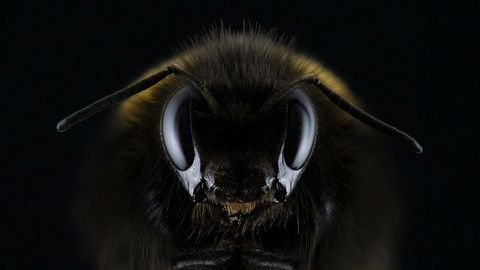
Fear of insects: a widespread phobia
Extreme fear of insects is called entomophobia and is one of the most common forms of phobia. It causes panic and acute anxiety in victims, but there are effective ways to get rid of it, such as virtual reality, medications, etc. Psychologists offer virtual reality therapies to help their clients overcome this fear by engaging in risky situations in a safe, virtual setting. These specialists use control settings to adjust the environment created by the computer. Complex virtual environments involve replicating aspects of the real world, through 360-degree panorama, 3D graphics and sounds. Children and adults can develop entomophobia, especially when they have previously had hostile experiences with a particular insect. With approximately 6% of the population suffering from entomophobia, C2care provides clients with psychological and medical treatment for various fears, eating disorders, addiction-related stress, and implements virtual reality exposure therapy into their program. Keep reading to understand how virtual reality can help eradicate the fear of insects.

Agoraphobia: symptoms, causes and effective treatments
Agoraphobia is an anxiety disorder that progressively restricts daily life, going far beyond a simple fear of public spaces. Learn about its symptoms, causes and established treatments for returning to a normal life.

Rupophobia: definition, symptoms and treatment of the fear of dirt
Rupophobia: an intense fear of dirt that goes far beyond disgust. Word origins, differences from mysophobia, the boundary with contamination OCD and treatment through gradual exposure.
Nyctophobia: understanding and overcoming the fear of the dark
Nyctophobia is a recognized anxiety disorder, distinct from a simple, passing fear. Clinical definition, symptoms, causes, impact on sleep and validated treatments: everything you need to know to understand and manage this phobia.

Erythrophobia: understanding the fear of blushing in public
An anxiety disorder distinct from ordinary shyness, erythrophobia is characterised by an intense fear of blushing in public. Causes, physiological mechanisms, symptoms and validated treatments: everything you need to know.

Virtual reality therapy: therapeutic immersion to treat phobias, pain and anxiety disorders
Virtual reality therapy immerses the patient in a 3D environment under the control of a professional. Phobias, pain, addictions: indications, effectiveness and limitations.